E-File Safety: Bit, Grit, Angle, Speed
The e-file does not damage nails. The hand behind it does. Match the bit to the job, keep the bit nearly parallel to the plate, keep it moving, and let spe...

Summary: The e-file does not damage nails. The hand behind it does. Match the bit to the job, keep the bit nearly parallel to the plate, keep it moving, and let speed follow the task. Heat, pressure, and dust colour are your three tells.
E-file safety comes down to four things you control: the bit, the grit, the angle, and the speed. The machine has a reputation it does not deserve. It does not thin the natural plate, sting a client, or leave rings of fire. The hand behind it does.
Every one of those problems traces back to a bit that was wrong for the task, an angle that dug in, or a speed that ran ahead of the work. So control those and the machine becomes the most precise tool on your desk. I tell my students that plainly, because fear of the e-file costs them more than the e-file ever will.
Match the Bit to the Job, Not the Other Way Around
Most heat and gouging come from asking one bit to do a job it was never shaped for. So before you touch a set, decide what the bit is actually removing and choose accordingly.
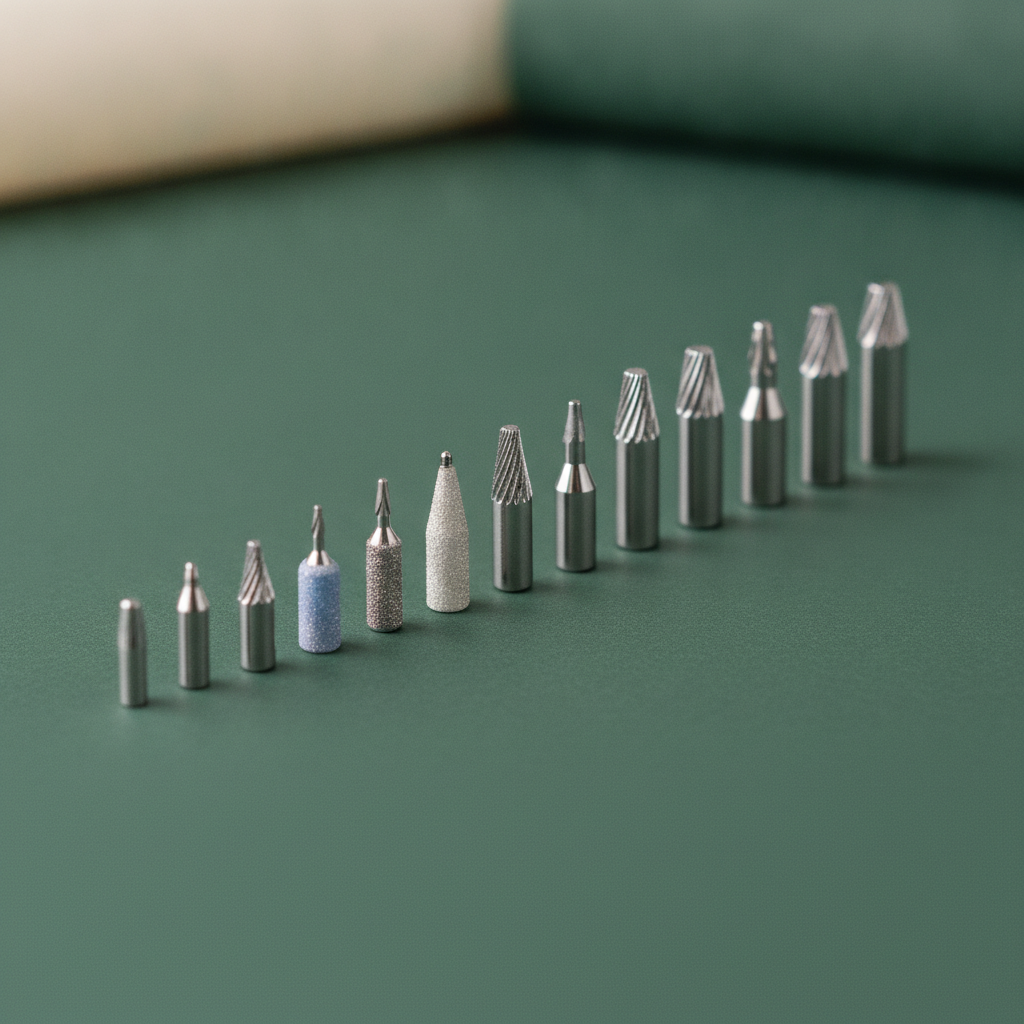
- Coarse grit carbide or diamond. For bulk product removal on a backfill or a heavy refill. Fast cutting, so it is the least forgiving on the natural plate. Keep it on the enhancement only.
- Medium grit. Your everyday shaping and refining bit. It smooths what the coarse bit cut without redepositing heat.
- Fine and superfine. For finishing, blending the apex, and cleaning the sidewalls where the enhancement meets skin.
- Safety bit, rounded and non-cutting at the tip. For cuticle work and undersurface prep, where a sharp edge near living tissue is a liability.
Know what your bit material actually does. A carbide clears acrylic quickly with a shearing cut. A diamond abrades. So if you are refining hard gel or a builder gel apex, a fine diamond gives you more control than a coarse carbide fighting you the whole way.
Angle and Contact: Stay Off the Plate
The single most common cause of natural nail damage is running the bit flat against the plate. I want you to keep the bit nearly parallel to the nail, working the side of the bit rather than driving the tip straight down. You want the flute doing the cutting, not the point.
On the undersurface and around the cuticle, come in from the enhancement side and stop before you reach living tissue. The eponychium and lateral folds are not sanding surfaces.
When you prep for a refill, remove the shine and thin the old product, then let your prep, dehydrator, and pH bonder do the adhesion work. You are not trying to abrade the natural nail into cooperating. That is a habit I correct constantly, and it is the one that thins plates over a career.
Keep the Bit Moving
A stationary bit is a heat source. Friction concentrated in one spot for even a second travels straight to the nail bed, and your client feels it before you do. So sweep in light, continuous passes and lift off between them.
If you find yourself pressing to make the bit cut, the bit is dull, the grit is wrong, or the speed is too low. Pressure is never the answer.
Speed, Heat, and the Tells
Higher RPM is not faster work. It is only faster if the bit is cutting cleanly and moving. Run bulk removal at a controlled speed where the carbide shears product away in ribbons. Then drop the speed for detail and undersurface work near the cuticle, where a slip costs more.
Your body gives you the feedback. Learn to read it, because these three tells will save more nails than any rule I can write.
- Heat. If the client flinches or you feel warmth through the bit, stop. Heat means the bit is dwelling, dull, or clogged.
- Pressure. If you are leaning in, the tool is not doing its job. Change the bit before you change your grip.
- Dust colour. A fine, consistent dust means you are on product. White scratch dust and a client who tenses mean you have reached the plate.
Clean bits cut cooler. So brush and disinfect between clients, and do not let debris pack into the flutes generating friction it should never make.
The E-File Rewards Respect
A reliable e-file is a matter of respect. Respect for the natural plate, for your client's comfort, and for your own hands over a long career at the bench.
The machine rewards a light touch, the right bit, and a steady rhythm, and it punishes shortcuts every time. Master those and you will finish faster with less damage than any hand file could manage.
Frequently asked questions
Does an e-file damage the natural nail?
No, not on its own. Thinning, stinging, and rings of fire trace back to a bit that was wrong for the task, an angle that dug in, or a speed that ran ahead of the work. Control the bit, the grit, the angle, and the speed, and the e-file becomes the most precise tool on your desk.
Which e-file bit should I use for each job?
Coarse grit carbide or diamond for bulk product removal on a backfill or heavy refill, kept on the enhancement only. Medium grit for everyday shaping and refining. Fine and superfine for finishing, blending the apex, and cleaning sidewalls. A rounded, non-cutting safety bit for cuticle work and undersurface prep.
What is the correct e-file angle?
Keep the bit nearly parallel to the nail and work the side of the bit rather than driving the tip straight down. You want the flute cutting, not the point. Running the bit flat against the plate is the most common cause of natural nail damage.
Why does my client feel heat during e-filing?
Because the bit is dwelling in one spot, or it is dull or clogged. A stationary bit is a heat source, and friction concentrated in one place travels straight to the nail bed. Sweep in light, continuous passes, lift off between them, and stop as soon as you feel warmth.
Is a higher RPM faster?
Not by itself. Higher RPM is only faster if the bit is cutting cleanly and moving. Run bulk removal at a controlled speed where the carbide shears product away in ribbons, and drop the speed for detail and undersurface work near the cuticle.
LNC Professional supplies complete, safe-chemistry systems for professional nail technicians. Designed in the Caribbean, built for the world. See the range at lncpronails.com.
Have a question about a system, or want the safety data sheet for a specific product? Message us on WhatsApp at +1 (562) 548-7272. We answer.
Related reading
- How to Choose a Professional Nail Drill
- Nail File Grit Guide
- Nail Prep: The Step That Decides How Long a Set Lasts
Authoritative sources
- Manicurists and Nail Technicians: workplace exposures. NIOSH, US Centers for Disease Control and Prevention.
- Nail Salon Worker Safety. US Occupational Safety and Health Administration.